
Side-by-Side Guide to Thornton Neighborhoods for Families
February 5, 2026
February 5, 2026
Picking the right neighborhood in Thornton can feel like a big decision when your family is growing. You want space to spread out, nearby parks, schools that fit your needs, and an easy routine for errands and commute. The good news is that Thornton offers a wide mix of communities, each with its own strengths. In this guide, you will learn how to compare neighborhoods side by side and focus on what matters most for your family. Let’s dive in.
You do not need to know every street to find a great fit. Start with a few clear priorities, then use a simple checklist to evaluate each neighborhood on the same points. That way, your choice is less about guessing and more about matching your lifestyle to the right location.
For many families, school zoning is a top factor. Look up which public schools serve the address you are considering, including elementary, middle, and high school. Also note nearby preschool and childcare options, after‑school programs, library branches, and youth sports fields. School boundaries can change, so confirm zoning for any specific address during your home search.
Thornton has a strong network of neighborhood parks, multi‑use trails, and community recreation amenities. As you compare areas, note the parks within a 5 to 10 minute drive, trail connections for strollers and bikes, and if there are splash pads, pools, or sports courts that you will use often. Walk the routes if you can. Safe crossings and continuous sidewalks make a big difference in daily life with kids.
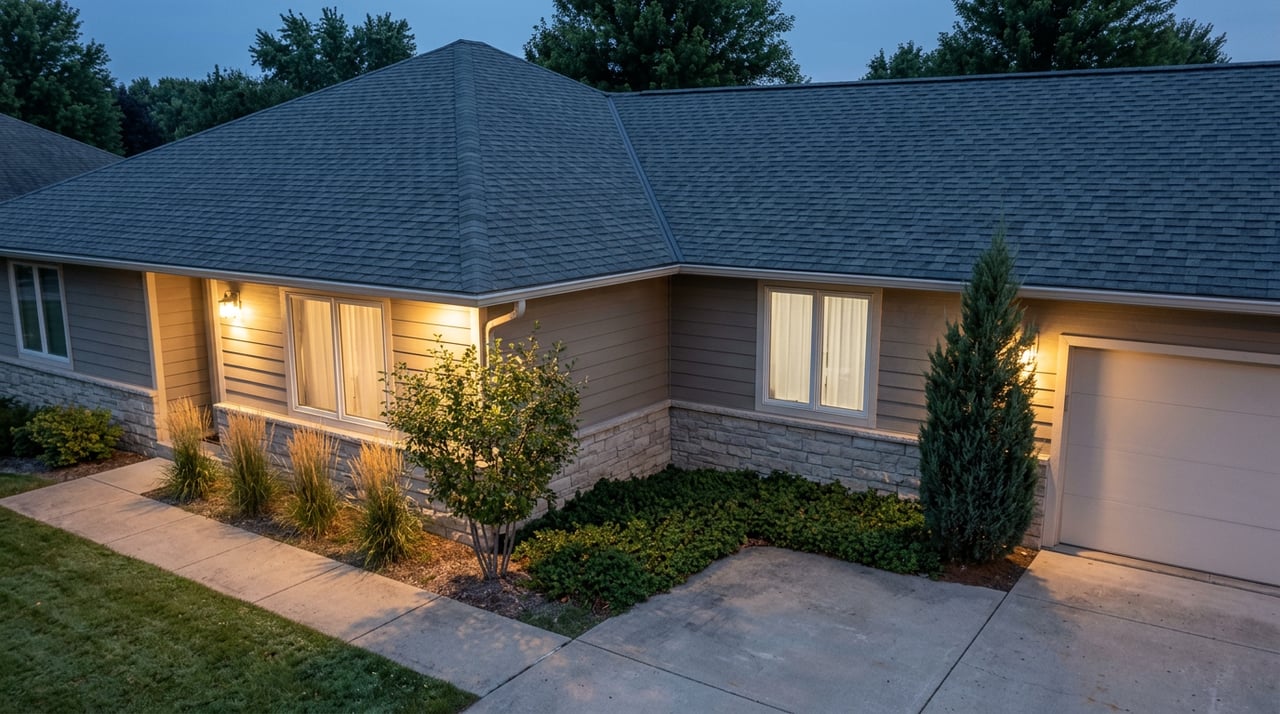
Focus on the basics that make family living easier: the number of bedrooms, usable living areas, storage, a two‑car garage, and yard size. In Thornton you will find a range of eras and styles, from established single‑family homes with mature trees to newer master‑planned communities. As you compare, pay attention to typical lot sizes by neighborhood, the presence of cul‑de‑sacs, and whether basements are finished.
Neighborhoods can sit at different price tiers and move at different speeds. When you look at price, compare a range rather than just a single median. The most helpful snapshot includes the 25th percentile sale price, median, and 75th percentile for the last 6 to 12 months, plus days on market and months of inventory. These figures tell you what entry‑level, typical, and larger homes cost in that area, and how quickly you need to act.
If your weekday drive matters, check peak‑hour times to Downtown Denver, the Denver Tech Center, and other frequent destinations. Look for nearby bus routes or park‑and‑ride options, and note access to light rail stations. Also consider bike routes and multi‑use paths that connect to your workplace or to transit.
Your routine should be simple. Map out the grocery store, pharmacy, pediatrician, coffee shop, and family‑friendly restaurants you will visit most. Drive those routes during the hours you will use them. As you walk a few blocks, notice the street layout, sidewalk continuity, tree cover, and traffic patterns. These small details shape how a neighborhood feels day to day.
Some neighborhoods have homeowners associations. If you are planning to add a patio, finish a basement, or build play areas, review the common restrictions ahead of time. Note any monthly fees and what they cover, such as trash, snow removal, or shared amenities.
Thornton is diverse in layout and age of housing. Instead of guessing, compare neighborhoods by type so you can match features to your family’s priorities.
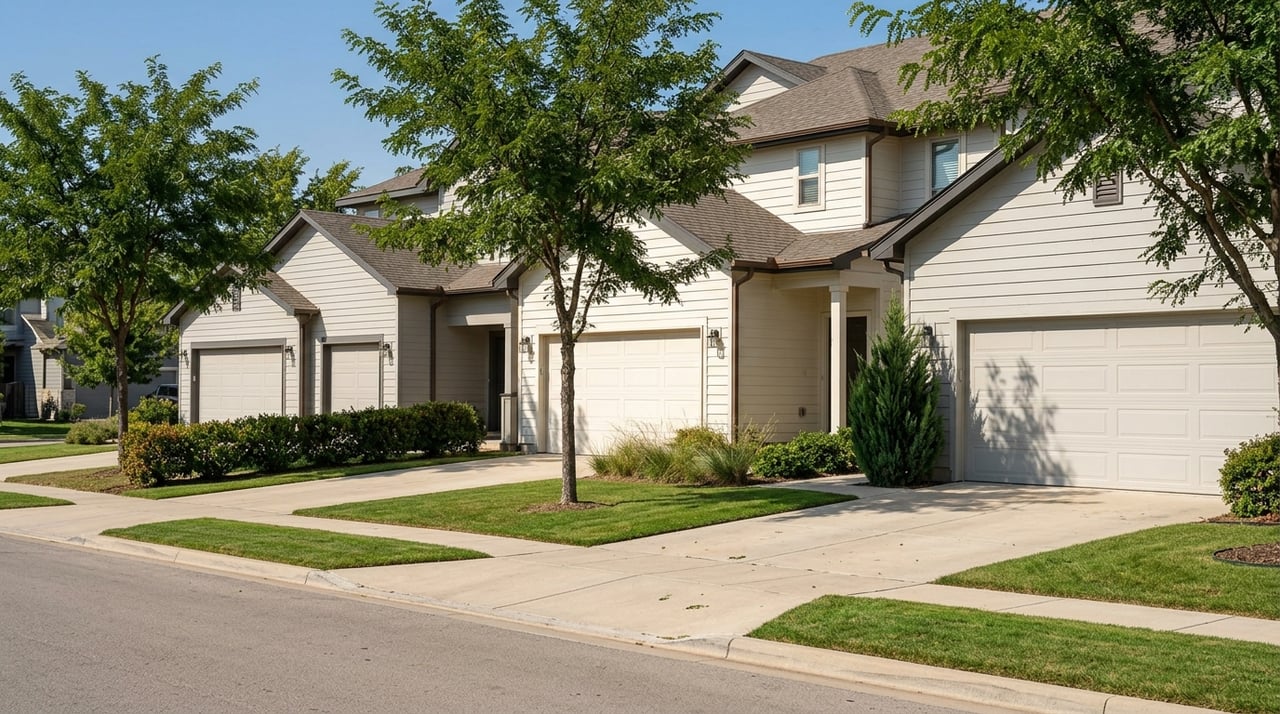
If you want options beyond driving, look at neighborhoods close to light rail or park‑and‑ride lots. You will often find sidewalks that connect to stations, mixed housing styles, and convenient access to major roadways.
Best for: shorter commute flexibility and predictable transit options.
Pros:
Consider:
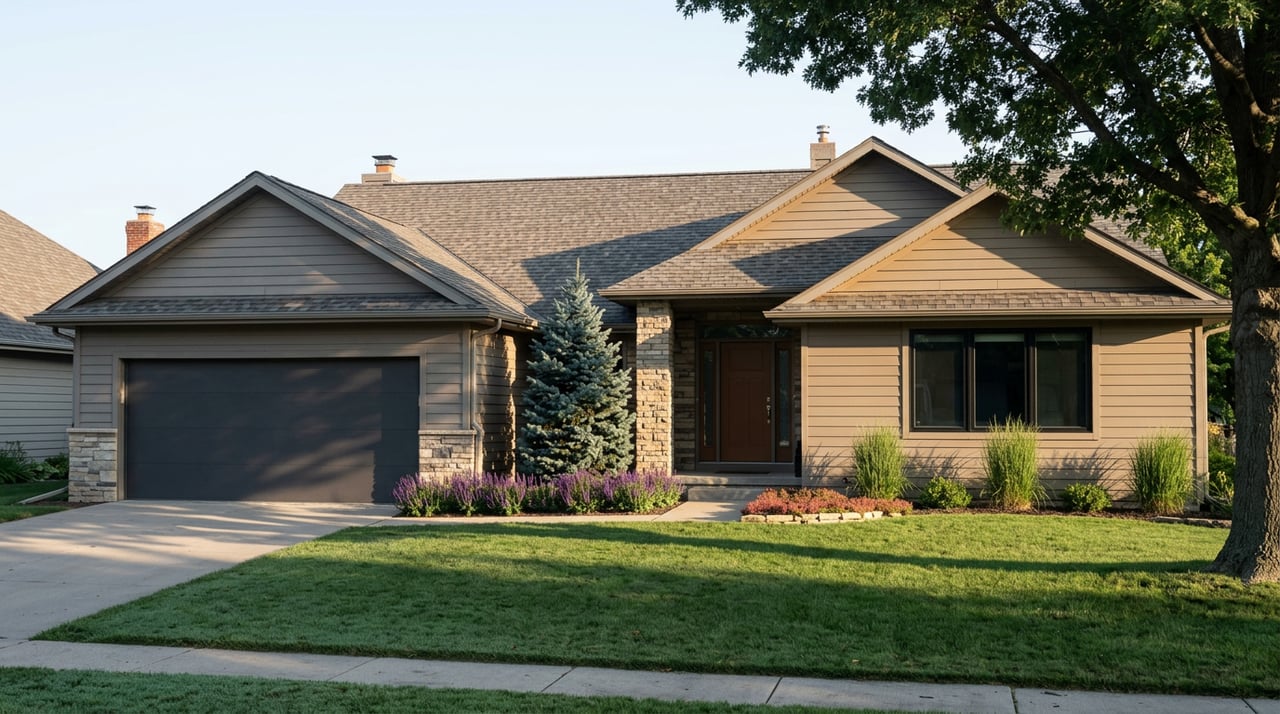
These areas typically offer single‑family homes built in earlier suburban eras with mature trees and a classic block pattern. You may find larger yards, cul‑de‑sacs, and a steady rhythm of neighborhood parks.
Best for: larger backyards and a traditional neighborhood layout.
Pros:
Consider:
If you value modern layouts and on‑site amenities, newer communities can be a strong fit. Expect open floor plans, larger primary suites, and community parks or trails designed into the plan.
Best for: newer homes with built‑in neighborhood amenities.
Pros:
Consider:
Small clusters of streets tucked away from main roads can offer a calm daily rhythm. These pockets can appear across multiple parts of Thornton and across different build eras.
Best for: low traffic at your doorstep and a relaxed pace.
Pros:
Consider:
Every family is different, but these seven items tend to drive satisfaction after move‑in:
Use this plan to create a fair comparison of 3 to 4 Thornton neighborhoods:
Pick your shortlist. Choose one transit‑adjacent area, one established area, and one newer master‑planned community so you can compare different strengths.
Map schools and services. List the public schools that serve each address, plus preschools, after‑school options, and the nearest library branch.
Walk the parks and trails. Visit two parks in each area. Bring a stroller or bikes if you use them weekly and note crossings and trail surfaces.
Measure home and lot features. For active listings, note bedroom count, storage, garage size, basement finish, and the lot’s estimated size.
Capture price ranges. Record recent sale ranges by quartile and days on market for each neighborhood, plus the number of active listings.
Time your commute. Drive the route at your typical rush hour and note best‑case and worst‑case times.
Test daily errands. Do a grocery run, pharmacy pickup, and coffee stop during busy hours to feel the real routine.
Review HOA info. Note fees and any common exterior rules relevant to your plans.
Make a “best for” call. For each area, write one line: “Best for families who want X.” This helps you see which one matches your must‑haves.
When you compare price and pace, look beyond a single number:
If you plan to sell and buy, align your sale timeline with the purchase pace of your target neighborhood. A market with faster absorption may require earlier prep and a firm plan for temporary housing if needed.
Use official public safety dashboards to understand trends, not labels. Focus on response districts for police and fire, street lighting, and the presence of neighbors out walking in the early evening. For services, note utility providers and trash pickup schedules so you know what to expect after move‑in. Keep your comparisons neutral and data‑driven so you can make a confident choice.
City planning and public projects can shape daily life and long‑term value. Watch for road improvements, new park space, school expansions, and approved residential or commercial developments. These changes can add convenience or alter traffic patterns. If a neighborhood you like has planned upgrades nearby, that may enhance your experience over time.
Use these side‑by‑side ideas during tours so you can feel different tradeoffs in real time:
A data‑driven plan is powerful, but walking homes and blocks with a local expert speeds up your decision. You will get current market ranges, verified school boundary information for specific addresses, and a clear sense of the small details that make everyday life easier.
If you want a custom, side‑by‑side comparison of Thornton neighborhoods based on your family’s priorities, reach out. I will help you build a focused shortlist, time your move, and negotiate with confidence. Schedule your consult with Jessica Arguello.

Your real estate journey is unique, and it deserves a trusted partner who understands your goals. Jessica Arguello specializes in creating a seamless experience for clients in Thornton and Denver Metro. Let’s find the home that’s right for you—your journey starts now.