How New Construction Is Shaping Brighton CO Home Prices
August 6, 2026
August 6, 2026
Open any portal and Brighton looks like a market that's cooling on its own. Median list price sits near $539,000 in July 2026, Zillow's home value index is down about 3.2% year over year, and homes are taking around 61 to 70 days to sell depending on which feed you trust. The obvious read is "buyer's market, sellers losing patience."
That read is missing the mechanism. Resale sellers in Brighton aren't the ones softening prices. Builders are. And once you see how the incentive math works, the way you shop this market changes.
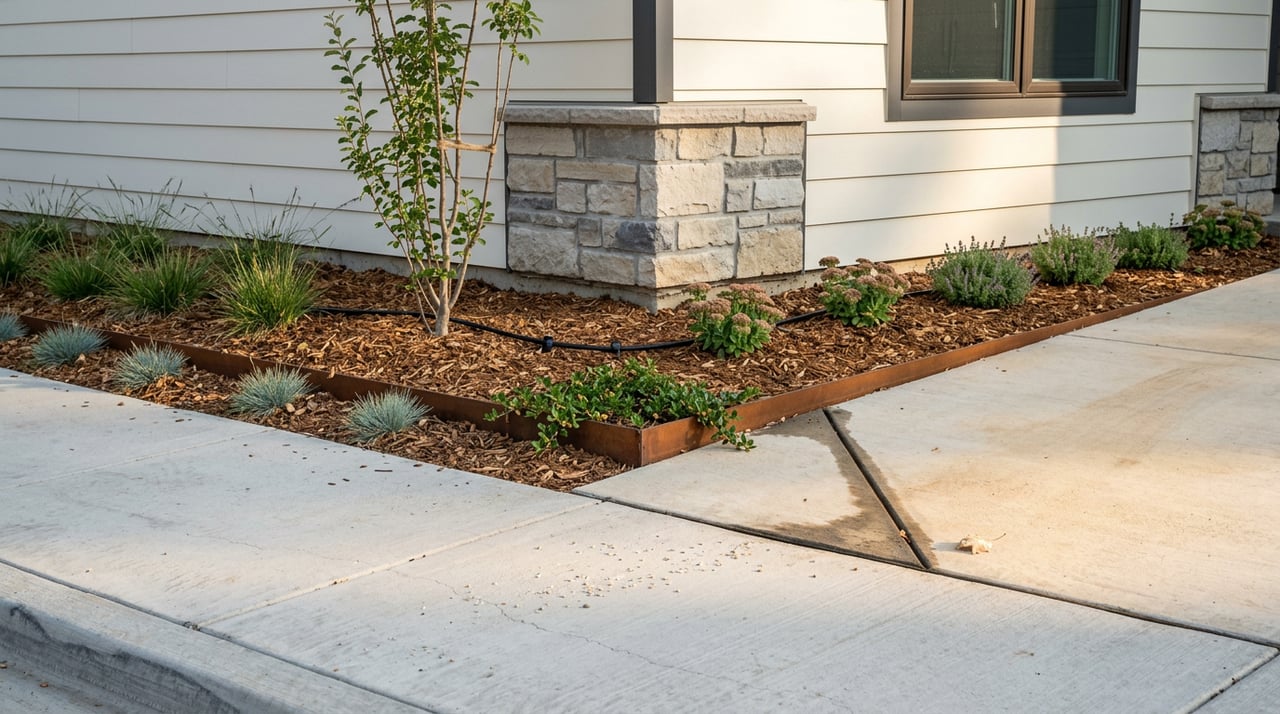
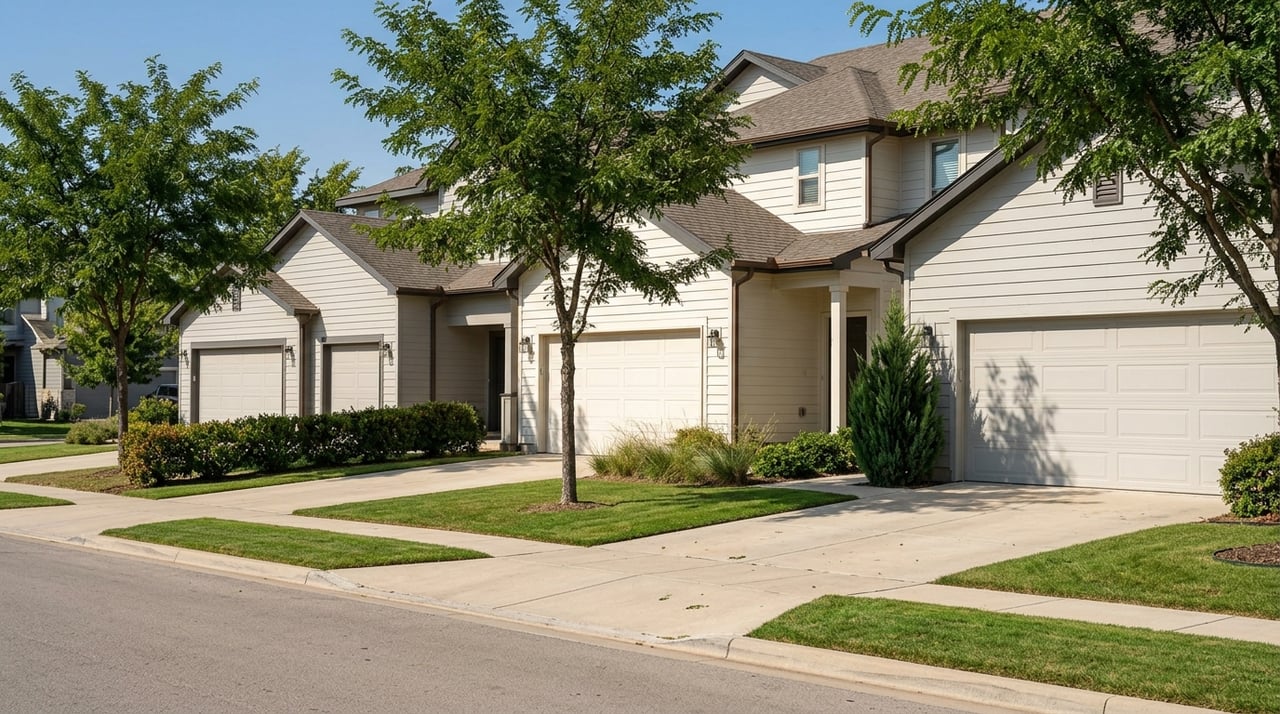
Brighton has roughly 80 new-construction listings active right now with a median list price of about $525,000, which is essentially on top of the resale median. Brighton Crossings, Villages at Prairie Center, Buffalo Run, Bromley Park, and Reunion are all delivering inventory into the same price band where an existing three- to four-bedroom home is trying to trade.
That's the setup. A resale seller in 80601 asking $530,000 is not competing with the buyer's patience. They are competing with a brand-new D.R. Horton, Lennar, David Weekley, Richmond American, KB Home, or LGI product listed at roughly the same number, with a builder's finance desk attached to it. On a per-square-foot basis, Brighton's price is down about 1% year over year at the list level, which is the shape you'd expect when a large, well-capitalized set of sellers is pricing to move and a smaller set of individual sellers is trying to hold.
The tell is in the financing promotions, not the sticker price. Brookfield Residential is currently advertising a rate buydown at Brighton Crossings that starts at 2.99% in year one, 3.99% in year two, and 4.99% from year three onward on select homes. Other builders in town are running variations of the same play with lender credits and closing-cost contributions.
The resale seller down the street can offer a price cut. They cannot offer a 2.99% first-year rate. That asymmetry is what's actually setting the market.
Here is what that looks like at the payment level on a $525,000 purchase with 10% down, principal and interest only, before taxes and insurance.
| Scenario | Effective Year-1 Rate | Approx. Year-1 P&I |
|---|---|---|
| Builder home, 2/1 buydown from 6.5% base | 4.5% | ~$2,394 |
| Builder home with full 2.99% year-1 promo | 2.99% | ~$1,988 |
| Resale home, market rate near 6.5% | 6.5% | ~$2,987 |
| Resale home, same rate with a $15,000 seller credit applied to buydown | ~4.75% for two years | ~$2,464 |
Numbers are illustrative and depend on the lender, points, and the specific structure of the buydown, but the shape is what matters. A resale seller has to give up real dollars, sometimes $20,000 or more, to approximate what a builder is doing with an in-house lender relationship. Most individual sellers can't or won't. So the resale listing sits, and after 60 days on the market the price gets trimmed to compete on the only lever the seller controls.
That's the ceiling. It isn't a signal about Brighton demand. It's a signal about who's willing to subsidize the payment.
The Brighton ZIP codes behave like two different cities once you look under the median.
80601 is where the pressure lives. This is the core city, Brighton Crossings, the Villages at Prairie Center, Buffalo Run, and the Bromley Park corridor. It's where the new-construction volume sits, where the builder incentives are the loudest, and where a resale seller is most exposed to being undercut on payment even when their list price looks reasonable. The median list price here is close to $513,000 and there are more than 1,600 active listings across the ZIP, which is a deep pool by any measure.
80602, which includes Todd Creek and Promontory at Todd Creek, is a different animal. Larger lots, higher price points, less builder promo pressure at the entry level, and a much thinner resale pool. This is where custom and semi-custom homes trade, and where the builder-driven softening in 80601 has less direct effect on comps. If a buyer's shortlist is straddling both ZIP codes, the negotiating playbook has to change at the ZIP line.
The reason this matters for buyers is straightforward. In 80601 your leverage is real and it comes through the payment. In 80602 your leverage is the individual seller's situation, and the way you find it is by reading days on market, price history, and the seller's stated timeline, not by leaning on a builder's rate desk.
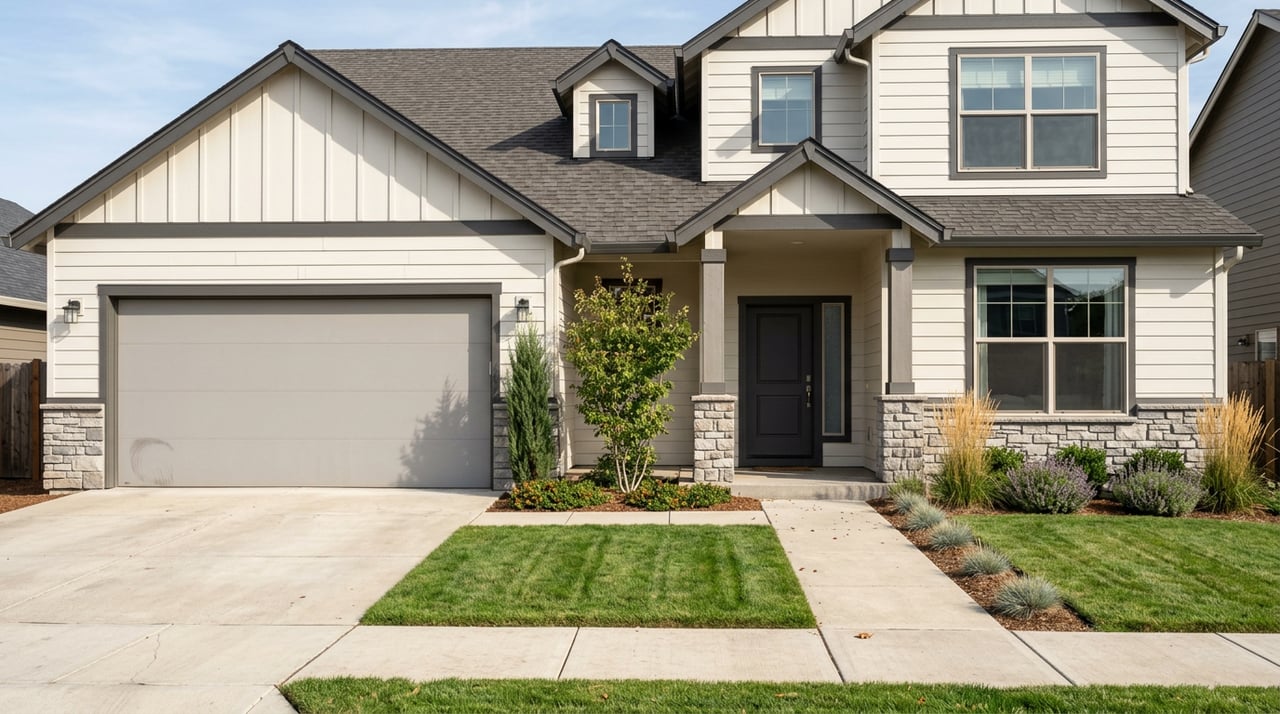
Brighton is under Stage 1 drought restrictions as of this summer, which shows up in transactions in a way that catches first-time buyers off guard. On a new-construction contract, the builder's landscape allowance and HOA turf rules are the language you read carefully. Several Brighton Crossings and Prairie Center-adjacent communities are steering front-yard packages toward lower-water plant palettes, reduced sod square footage, and drip zones, which is fine, but it changes what "landscaped" means at closing.
On a resale, the friction is different. A home that was landscaped in 2018 to a lush, high-water design is now sitting in a city that's asking residents to cut back. Some buyers arrive at inspection assuming they'll keep the yard as-is, then discover the irrigation system was set up for a watering schedule that no longer aligns with city rules. It's not a deal killer, but it's a real conversation, and it belongs in the offer, not the closing disclosure.
If the thesis is right that builders are setting the ceiling, then the tactical moves for a buyer in this market look like this:
Is Brighton a buyer's market? By most technical definitions, yes, but the reason matters. Inventory is deep, days on market are elevated, and price per square foot is trending slightly down at the list level. The active lever, though, is builder financing rather than distressed resale sellers. That distinction shapes how you write offers.
Should I buy new construction or resale? There isn't a universal answer, but the honest comparison is total monthly cost over the first five years, not sticker price. A new-construction home with a builder rate buydown often wins on payment for the first two years and loses on lot size, mature trees, and location within the city. Resale wins on location and character and requires more creative structuring on financing.
Are Brighton prices going to keep falling? The current softness is driven by supply and financing incentives, not by demand collapse. As long as builders are delivering inventory into the same price band as resale, the resale ceiling stays where it is. Watch new-construction starts and builder incentive announcements more closely than the median price line.
If you're weighing Brighton against Thornton, Northglenn, or the north-metro Denver corridor, the offer strategy is going to look different in each city, and in Brighton it's going to look different by ZIP code. HomesBuyJess works with buyers and sellers across this corridor every week, and the negotiation playbook here is specific enough that it's worth a real conversation. Schedule a consultation and we'll map your shortlist against what builders are actually offering this month.
Your real estate journey is unique, and it deserves a trusted partner who understands your goals. Jessica Arguello specializes in creating a seamless experience for clients in Thornton and Denver Metro. Let’s find the home that’s right for you—your journey starts now.