
Westminster Condo and Townhome Buyer Guide
May 14, 2026
May 14, 2026
Wondering if a condo or townhome in Westminster could be your smartest path into homeownership? If you want lower maintenance, a more approachable price point, or an easier commute to Denver or Boulder, attached homes can be worth a serious look. The key is knowing how Westminster’s location, HOA rules, and financing details can affect your decision before you make an offer. Let’s dive in.
Westminster stands out because it gives you access to both the Denver and Boulder sides of the metro. The city highlights major highway access, regional transit options, and an extensive trail network, which can make day-to-day living more convenient depending on where you buy.
For many buyers, that convenience is a big part of the value. RTD’s B Line connects Westminster Station to Union Station, the Flatiron Flyer serves two US-36 stations in Westminster, and the city lists four Park-n-Rides. If your routine includes commuting, hybrid work, or regular trips across the metro, a condo or townhome near these transit corridors may offer a practical advantage.
Westminster also reports more than 180 miles of bicycle and trail facilities. That means you can look beyond square footage and consider how close a property is to trails, bike connections, and everyday mobility options.
One of the most important local details is easy to miss. Westminster is a two-county city, and the city says ZIP codes do not reliably tell you whether a property is in Adams County or Jefferson County.
For you as a buyer, that means the exact parcel and street address matter more than the mailing city name. When you are comparing homes, it helps to confirm the property’s actual location early so you understand the right county, records, and local details tied to that home.
A condo is typically an individual unit within a larger building or community. Owners usually share ownership of common areas, and monthly condo fees often cover exterior maintenance, common spaces, water, sewer, trash, and sometimes amenities.
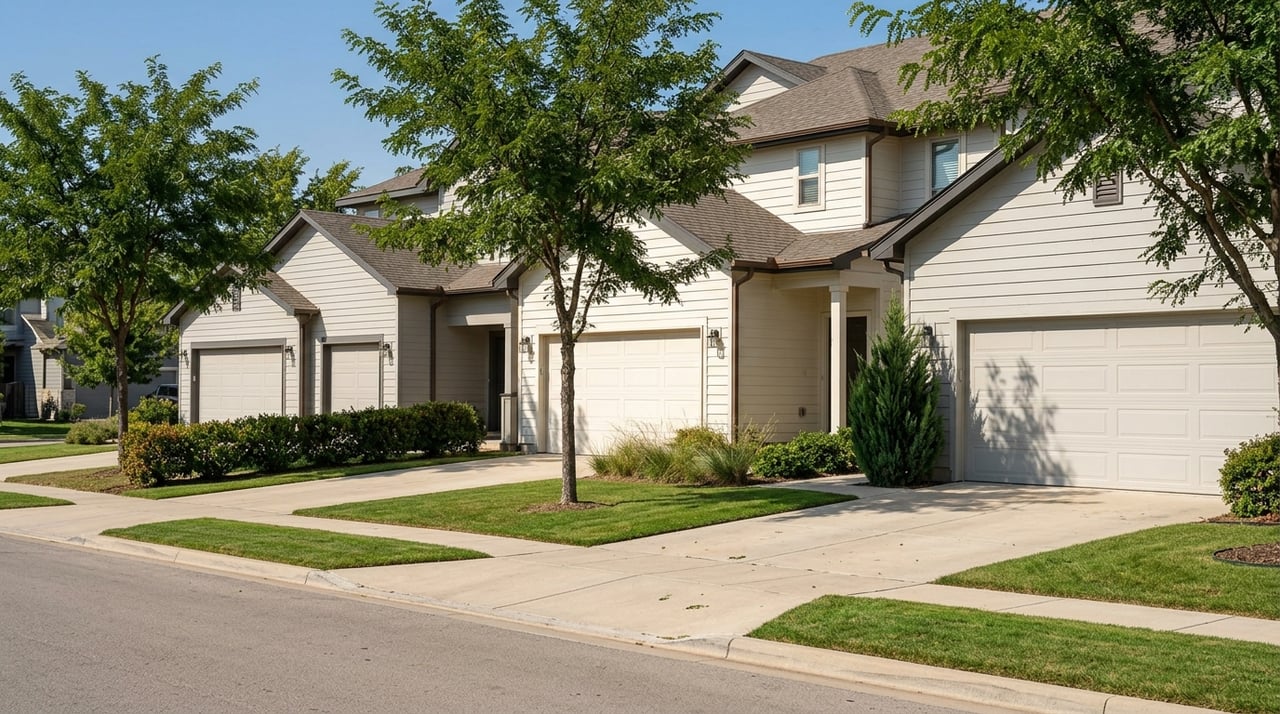
A townhome is an attached home with shared walls. Depending on how the community is structured, ownership and maintenance responsibilities can feel more like a house than a condo, but HOA dues and community rules still often apply.
If you want the simplest possible way to think about it, condos often offer the most hands-off exterior maintenance. Townhomes may give you a little more of a traditional home feel while still keeping some maintenance shared.
Westminster’s current pricing shows why attached homes stay on many buyers’ radar. Redfin reports a citywide median sale price of about $571,000, while the median sale price for condos or co-ops is about $340,000 and townhouses are about $424,430.
Active listing medians are also lower than the citywide home median. Current active listings show roughly $297,000 for condos and about $460,000 for townhouses.
That spread can make a real difference if you are trying to buy your first home, keep your monthly payment manageable, or stay in Westminster without stretching into a higher price tier.
Some parts of the market still show lower entry points. Prospectors Point condos currently have a median list price around $225,000, and West Westminster condos are around $310,000.
If your top goal is affordability, those kinds of price points may be where you start your search. They can offer a path into Westminster that sits well below the citywide median sale price.
More central or amenity-rich areas tend to cost more. Central Westminster condos currently show a median list price around $400,000, and Downtown Westminster’s median sale price is about $620,000.
Townhomes also cover a wide range. Current Westminster townhouse examples span from roughly the low $300,000s into the $600,000s and up, depending on size and location.
One of the biggest mistakes buyers make is focusing only on the mortgage. HOA dues are usually paid separately from the mortgage payment, and they can range from a few hundred dollars to more than $1,000 per month.
That is why your affordability calculation needs to include more than principal and interest. A lower purchase price can still feel expensive if the monthly HOA fee is high.
It also helps to ask what the dues actually cover. In many condo communities, the fee may include exterior maintenance, common areas, water, sewer, trash, and possibly recreational amenities.
In Colorado, once you are under contract, you are entitled to the association’s governing and financial documents. There is no central repository for those HOA documents, so they often need to be requested from the seller or listing side.
Timing matters here. Buyers usually have only a limited review window after the offer is accepted, so it is smart to request HOA documents as early as possible.
Some of the most important items to review include:
Colorado’s HOA center also notes that reserve studies are not required under CCIOA, but associations must have a policy that states when a reserve study will occur and whether a funding plan exists. That makes it especially important to review the budget and reserve information carefully instead of assuming the association is fully prepared for future repairs.
The biggest financing difference with condos is that lenders often review the entire project, not just you as the borrower. For some loans, lenders may need the project budget, financial statements, legal documents, and insurance information.
They may also look for issues that affect project eligibility, such as special assessments, structural concerns, or major litigation. This is one reason condo financing can sometimes feel more complex than financing a detached house.
For FHA financing, the unit generally must be in an FHA-approved condominium project or qualify for Single-Unit Approval. HUD says that review can include insurance coverage, financial condition, title, legal actions, physical condition, and project-level requirements such as owner-occupancy percentage.
For Fannie Mae loans, condo projects may go through either a limited or full review process. Active special assessments or weak reserve funding can make financing harder, and full review generally expects no more than 15% of units to be 60 or more days delinquent on common expenses or special assessments.
In many cases, financing a townhome can be more straightforward than financing a condo, especially if the property is not legally structured as a condo project. That does not mean you can skip the HOA review, but it may reduce some of the project-level lending hurdles that condo buyers face.
This is one reason many buyers compare both property types before choosing a direction. If you want low maintenance but also want to avoid some condo financing complications, a townhome may end up being the better fit.
Insurance is another area where attached homes can surprise buyers. You will want to understand what the HOA’s master policy covers and whether you need your own interior-unit policy or loss-assessment coverage.
That matters because two homes with similar list prices can carry different ownership costs depending on what the HOA insures and what you need to insure yourself. Asking these questions early can help you avoid a budget shock later.
If you are trying to balance price and convenience, one practical strategy is to start with transit-served parts of Westminster. The city’s strongest transit nodes are around the US-36 corridor and Westminster Station area, and many condo and townhome prices still sit below the overall city median.
That does not automatically make every home there the right fit. It does mean those areas can be a smart first look if you care about access to Denver, Boulder, Park-n-Rides, or a more connected daily routine.
You can also widen your value search by weighing these factors together:
A condo may be the better choice if your top priority is a lower price point and less exterior upkeep. It can work especially well if you are a first-time buyer or want a simpler home base near transit or daily conveniences.
A townhome may be the better choice if you want more of a house-like layout and potentially simpler financing. You may pay more than you would for a condo, but the tradeoff could be worth it depending on your budget and lifestyle.
The right answer often comes down to more than list price. Monthly dues, financing rules, insurance coverage, and location convenience all shape the real cost and comfort of ownership.
If you are comparing condo and townhome options in Westminster, a clear plan can save you time and stress. Jessica Arguello can help you sort through pricing, HOA details, and neighborhood tradeoffs so you can move forward with confidence.






Your real estate journey is unique, and it deserves a trusted partner who understands your goals. Jessica Arguello specializes in creating a seamless experience for clients in Thornton and Denver Metro. Let’s find the home that’s right for you—your journey starts now.