What It’s Like Living in Arvada Colorado Today
April 23, 2026
April 23, 2026
If you want a place that feels established, easy to navigate, and full of everyday amenities, Arvada tends to get your attention fast. You get a historic downtown with local shops and restaurants, plus the parks, trails, and neighborhood layout many buyers want in a suburban setting. If you are weighing a move to Arvada, this guide will help you understand what daily life feels like, what kinds of homes you can expect, and why this city appeals to so many buyers in the north-Denver metro. Let’s dive in.
Arvada offers a middle ground that can be hard to find. It has a recognizable downtown core, strong outdoor access, and a more established suburban feel than a dense urban neighborhood. For many buyers and relocators, that mix is a big reason Arvada stays on the shortlist.
According to the City of Arvada, the city covers 39.52 square miles and has about 120,492 residents and 45,246 households. The city also reports a median age of 41.8, more than 4,200 acres of parks and open space, and over 150 miles of bicycle and pedestrian trails. That scale gives you room to spread out without giving up access to amenities.
Another detail that stands out is how connected Arvada is to green space. The city says 96% of residents are within a ten-minute walk of a neighborhood park. If your ideal day includes easy outdoor time, that is a meaningful part of the lifestyle here.
Olde Town is the part of Arvada that gives the city its personality. It serves as Arvada’s downtown and historic district, with a mix of single-family homes, retail, offices, and mixed-use buildings. The city has also made it clear through planning efforts that future growth here should stay pedestrian-oriented and fit the area’s historic character.
The district is listed on the National Register of Historic Places, and the city adopted a 20-year strategic reinvestment plan for Olde Town. For you as a buyer, that points to a place that values preservation, walkability, and long-term improvement rather than random change.
Olde Town has a more strollable, social feel than most suburban centers. The Olde Town business district highlights shops, boutiques, galleries, events, restaurants, breweries, and a winery, all of which support a true destination atmosphere. It is the kind of place where you can run errands, meet friends, and spend an afternoon without feeling like you need to drive from stop to stop.
The city is also continuing to improve the pedestrian experience. Current planning for the Yukon Streetscape project focuses on wider sidewalks, safer crossings, and a more comfortable walking environment. That ongoing investment reinforces the appeal of living near the heart of town.
If commute options matter to you, Olde Town has one of Arvada’s most convenient transit hubs. Olde Town Station is the city’s most prominent G Line station, and RTD describes the G Line as an 11.2-mile electric commuter rail connection between Denver Union Station, northwest Denver, Adams County, and Arvada. That can make Arvada especially appealing if you want suburban living with access to regional transit.
Shared parking in the station area also supports both transit riders and visitors to Olde Town. In practical terms, that helps the area function as both a neighborhood center and a regional destination.
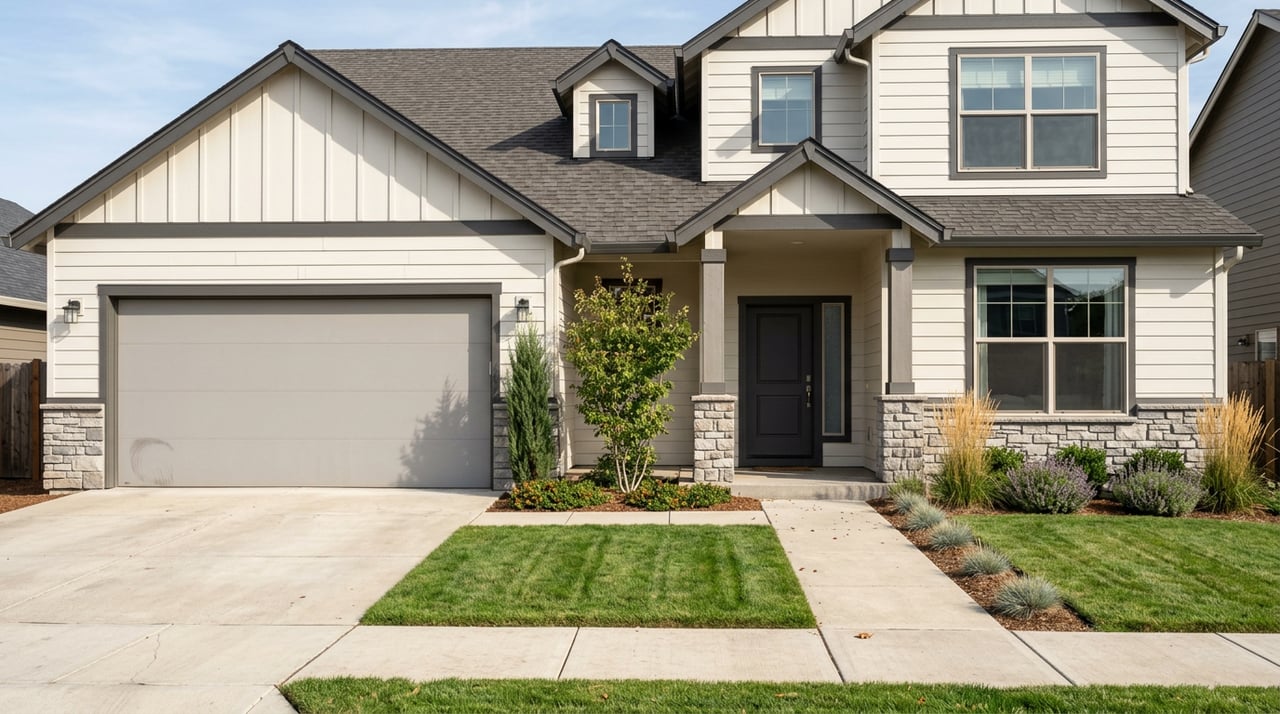
One of Arvada’s strengths is that it does not feel one-note. Depending on where you look, you can find older homes with character, more conventional mid-century suburban homes, and newer townhome or multifamily options near redevelopment areas.
That range matters because different buyers want different trade-offs. Some want charm and proximity to downtown, while others want a more traditional suburban layout or lower-maintenance living.
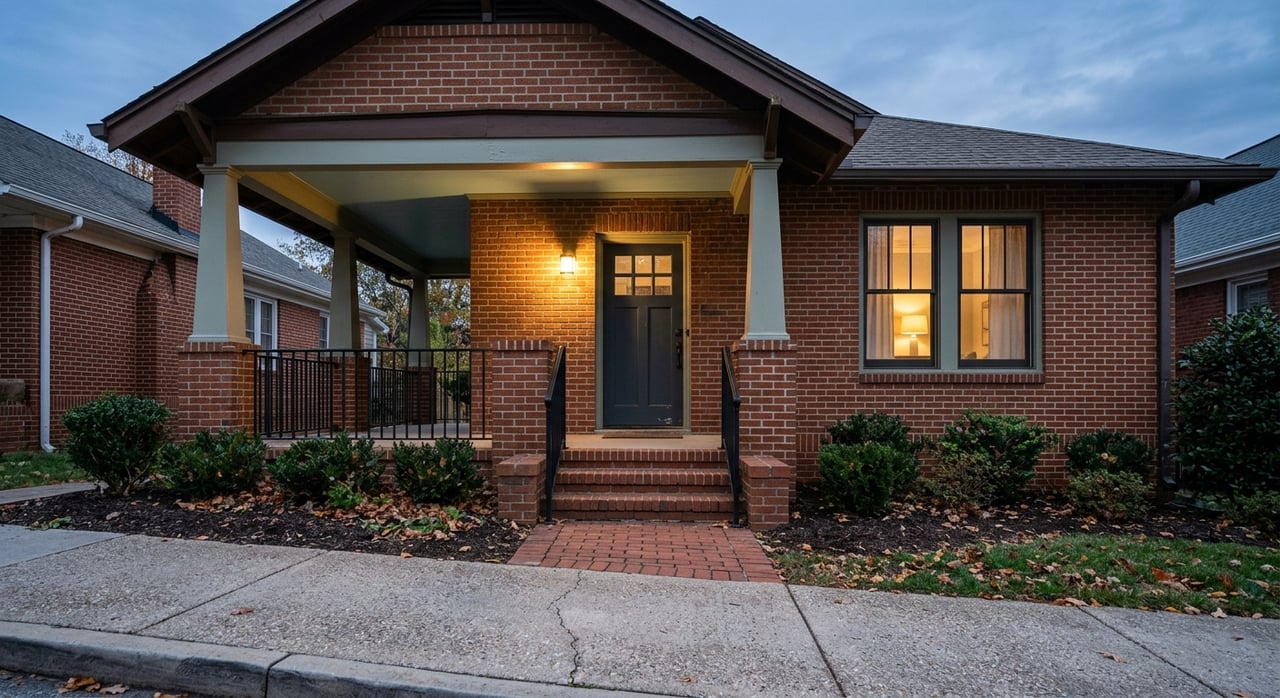
Near Olde Town, Arvada’s older neighborhoods provide some of the city’s most distinctive housing. The city describes the Stocke-Walter Addition Historic District as a single-family area with wood-framed homes, including cottages, bungalows, and several Queen Anne-influenced houses along Grandview Avenue. If you are drawn to architectural character and an established streetscape, this part of Arvada may feel especially appealing.
These homes help shape the oldest residential texture in the city. They also add variety that can be hard to find in more uniform suburban communities.
Arvada also has a more classic suburban side. The city’s historic survey of Olde Town and nearby Allendale and Alta Vista describes a transition from bungalow-era homes to early ranch homes, reflecting post-World War II suburban development patterns. For many buyers, this is the version of Arvada that feels practical, familiar, and easy to settle into.
These neighborhoods often appeal to buyers who want a detached home in an established area without needing the historic style of Olde Town. They represent a large part of Arvada’s everyday residential identity.
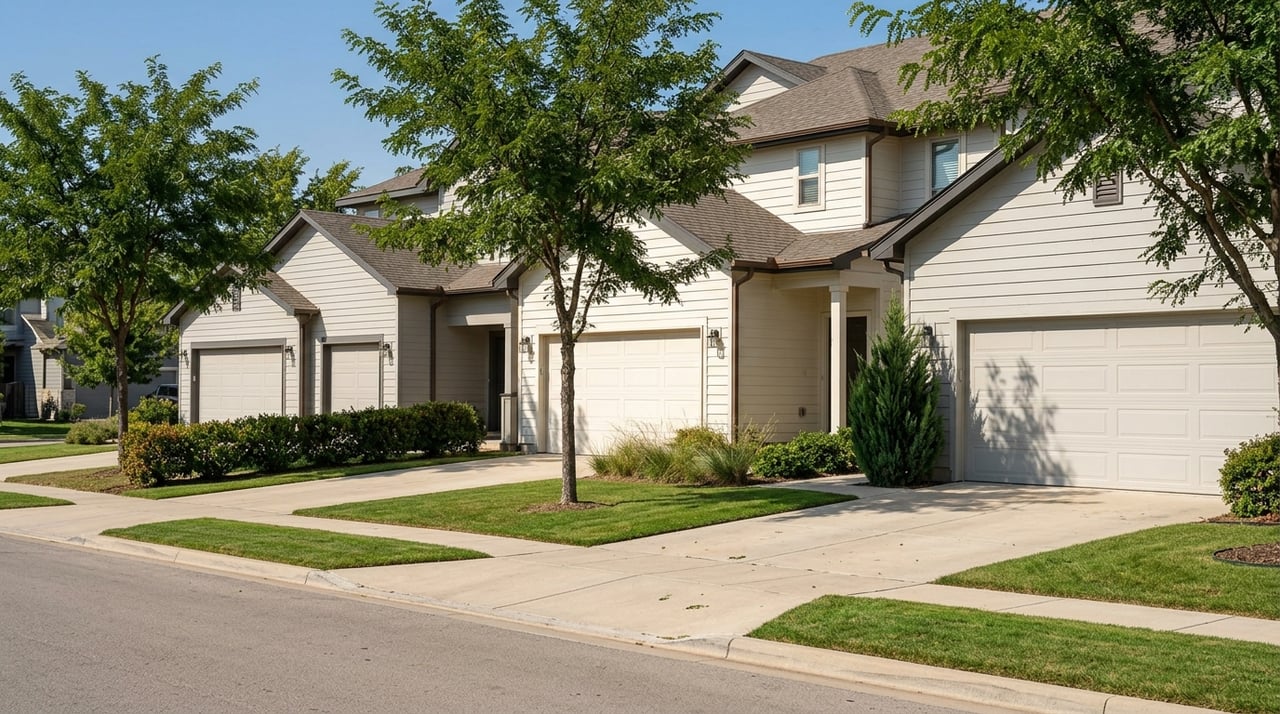
Arvada is not just a detached-home market. The city’s OT-RR zoning district allows mixed-use buildings, apartments, townhouses, accessory buildings, and civic forms, and current planning includes projects such as Avalon Arvada with 384 multifamily units and 51 townhomes. That means buyers looking for a newer, lower-maintenance option can find opportunities here too.
This is especially useful if you want to be near redevelopment corridors or want a home style that is easier to lock and leave. For first-time buyers and some relocators, that flexibility can be a major plus.
Outdoor access is one of Arvada’s clearest strengths. The city’s parks and recreation system includes more than 90 neighborhood parks, 4,200 acres of parks, open spaces, and trails, plus a 150-mile trail network. The city also says that network supports both recreation and commuting.
If you are comparing north-metro suburbs, this is one of the features that can change your daily routine the most. A strong trail and park network makes it easier to get outside for a quick walk, bike ride, or weekend outing without a lot of planning.
Several key parks are close to Arvada’s downtown core. McIlvoy Park sits in Olde Town, and the city renovated its playground in 2023. Nearby, Ralston Central Park offers walking paths, two playgrounds, a splash pad, a volleyball pit, a picnic pavilion, and direct access to the Ralston Creek Trail.
The city also opened Garrison Garden Paseo in 2024. This linear park improves connections to transit, grocery access, Ralston Central Park, the Ralston Creek Trail, and future restaurants and shops. That kind of connectivity can make daily life feel more convenient and less car-dependent in this part of Arvada.
The Ralston Creek Trail is the city’s longest and most complete public trail. It links multiple parks and open space areas, helping tie together several parts of Arvada. For buyers who value active living, that adds real day-to-day usability, not just a nice map feature.
In simple terms, Arvada’s outdoor setup supports a rhythm that feels a little easier. Whether you want space for morning walks, bike commuting, or weekend recreation, the city is built to support that.
Arvada tends to work well for buyers who want balance. It is a strong fit for first-time buyers, move-up households, and relocators who want suburban comfort but still care about local dining, trail access, transit, and a clear sense of place. Olde Town delivers the most urban-feeling environment, while surrounding neighborhoods offer a more traditional suburban layout.
That variety is part of what makes Arvada easy to recommend across different life stages. You are not choosing between all city or all suburb. You are choosing a place that blends both in a way that feels usable and grounded.
Like any city, Arvada makes the most sense when your priorities line up with what it offers. If you want a historic downtown, access to parks and trails, and a broad mix of housing styles, it checks a lot of boxes. If you want a denser urban environment, you may find that Olde Town is the closest fit, while much of the city still reads as classic suburbia.
It also helps to think block by block and neighborhood by neighborhood. Living near Olde Town can give you more walkability and transit access, while other areas may offer a quieter residential setting or a different home style. The right fit depends on how you want your everyday routine to feel.
If Arvada is on your radar, having local guidance can make your search a lot easier. From comparing home styles to narrowing down areas that fit your commute, lifestyle, and budget, Jessica Arguello can help you explore Arvada with clear, practical advice and a low-stress approach.
Your real estate journey is unique, and it deserves a trusted partner who understands your goals. Jessica Arguello specializes in creating a seamless experience for clients in Thornton and Denver Metro. Let’s find the home that’s right for you—your journey starts now.