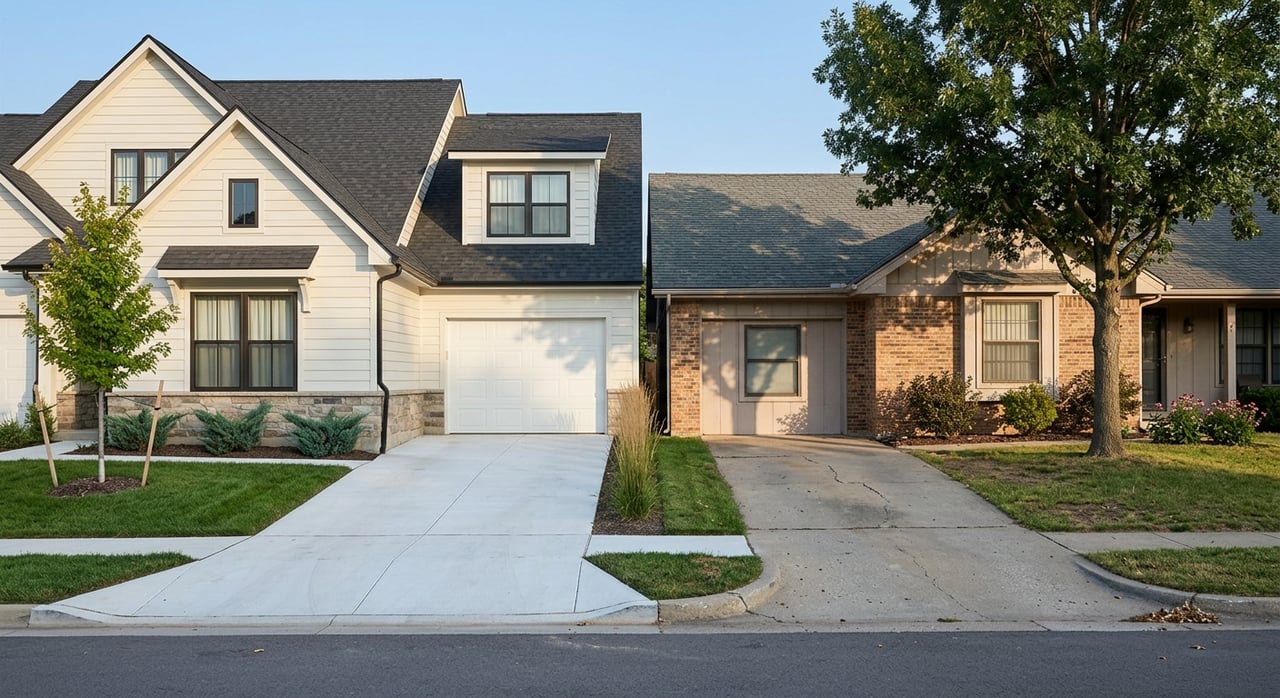
Brighton New Construction vs Resale Homes: How to Choose
April 2, 2026
April 2, 2026
Trying to decide between a brand-new home and a resale property in Brighton? You are not alone. In this market, the choice is less about “new versus old” and more about what matters most to you: lower maintenance and builder perks, or larger lots and established locations. If you are weighing both options, this guide will help you compare price, value, timelines, HOA costs, and neighborhood feel so you can make a smart move with confidence. Let’s dive in.
Brighton sits in a price range where both new construction and resale homes compete closely. According to Redfin’s Brighton housing market data, the median sale price was $520,000 in February 2026, while Realtor.com’s 80601 market overview reported a median listing price of $517,449 and about 62 days on market.
That matters because new construction in Brighton is not limited to a luxury-only segment. Instead, it often overlaps with resale options in the same general price bands, which means you will want to compare more than just list price.
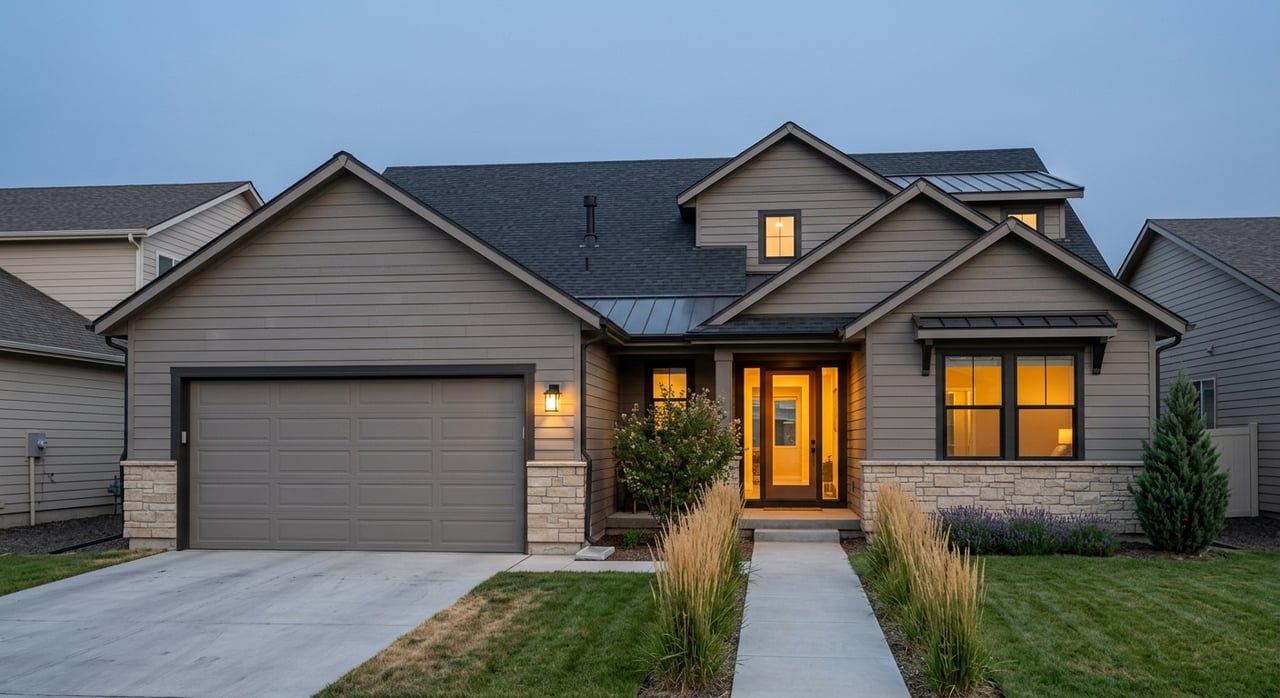
If you like the idea of modern finishes, energy-efficient features, and fewer immediate repair projects, new construction may feel appealing. Brighton offers options ranging from paired homes to larger detached homes in planned communities.
A current example in Farmlore at 1701 Bloom Street is listed at $418,990 for 1,469 square feet on a 2,460 square foot lot, with a $51 monthly HOA and a November move-in timeline. Another Farmlore listing at 1177 Prospect Aly is listed at $478,990 for 1,803 square feet, is described as ready now, and has a $65 monthly HOA.
At the higher end of the current new-build sample, 1597 Bloom Street is listed at $600,000 for 2,390 square feet on a 5,925 square foot lot. In Brighton Crossing, 115 Wooten Avenue is listed at $726,900 for 3,898 square feet on a 7,200 square foot lot and is marketed as move-in ready with special financing.
New construction can simplify the buying process if you want a home that feels move-in ready from day one. Some builders also offer incentives that can help with timing or upfront costs.
For example, Meritage’s Ridgeline Vista page says its move-in-ready homes include a washer, dryer, fridge, and whole-home blinds, along with a guaranteed close in 60 days or less for eligible homes. That kind of incentive can be valuable if you need predictability.
You may also have the option to choose between a ready-now home and a buildable plan. A KB Home Farmlore Villas plan starts from $374,990, but KB notes that base pricing does not include options, homesite premiums, exterior upgrades, or association fees.
Resale homes can offer more variety in lot size, location, and neighborhood character. In Brighton, they can also range from value-oriented larger homes to smaller homes with high price-per-square-foot numbers.
One current resale example at 660 S 5th Ave is priced at $460,000 for 2,400 square feet on a 7,750 square foot lot, with no HOA. That listing highlights in-town access to I-76, Highway 85, and Highway 52.
Another example at 5569 Cherry Blossom Dr is listed at $660,000 for 3,952 square feet on an 8,250 square foot lot, with $97 monthly HOA dues. This shows that resale homes can also be found in amenity-rich planned communities.
A smaller resale home at 12117 Monaco Dr is listed at $465,000 for 1,027 square feet and has no HOA. Its higher price per square foot is a good reminder that resale is not always cheaper just because it is older.
One of the biggest questions buyers ask is whether new construction or resale is cheaper in Brighton. The answer depends on the type of home you are comparing.
In the current sample from the research, new construction examples generally land around $251 to $285 per square foot for many smaller or mid-size homes, though the larger Brighton Crossing example comes in lower at about $186 per square foot. Resale examples include larger homes around $165 to $192 per square foot, but smaller older homes can still be much higher.
That is why price per square foot is useful, but it is not the whole story. You also need to compare lot size, HOA costs, location, condition, included features, and how much work the home may need after closing.
This is one of the most important parts of the comparison in Brighton. A lower base price on a new home does not always mean a lower total cost of ownership.
The City of Brighton explains that metro districts are quasi-public districts that can finance infrastructure like streets, parks, and water and sewer improvements, and they can levy taxes and fees. The city also says that 33.03% of Brighton land is in a metro district.
In current listings, HOA costs vary. New-build examples in Brighton show dues from $51 monthly to $287 quarterly, while some resale homes, like 660 S 5th Ave, show no HOA at all. When you compare homes, it helps to look beyond the mortgage payment and ask what the monthly and annual ownership costs really look like.
The right choice often comes down to how you want to live day to day. New construction communities and resale neighborhoods can offer very different experiences.
KB Home’s Farmlore community page highlights access to I-76, E-470, downtown Denver, and DIA, plus planned trails, a restored barn, a future recreation center, and nearby shopping. That may appeal to buyers who want a planned community with newer amenities and regional commuting access.
By contrast, in-town resale options like 660 S 5th Ave are marketed around access to Brighton’s core and major highways. If you prefer established neighborhoods, mature landscaping, or a more central location, resale may be a better fit.
Your timeline can quickly narrow your options. Some buyers need to move fast, while others are willing to wait for the right home or a chance to personalize finishes.
In Brighton, current new construction includes both move-in-ready homes and buildable plans with future completion dates. That gives you flexibility, but it also means you should confirm whether the home is available now, expected in a few months, or still in the planning stage.
Resale homes usually offer a more familiar closing timeline once you are under contract. If certainty matters most, comparing a ready-now new build against active resale inventory can give you a more realistic picture than comparing resale homes to builder floor plans alone.
Brighton continues to grow, and that affects both new construction and resale value. Future development can influence traffic patterns, amenities, housing choices, and long-term neighborhood feel.
The City of Brighton’s long-range planning page notes that the Be Brighton Comprehensive Plan remains in effect while updates continue, including work on the Future Land Use Map. The city also points to major infrastructure planning, including a water treatment plant project designed to support growth through 2045.
For buyers, this means your decision is not just about the house itself. It is also about how the surrounding area may evolve over time.
If you are deciding between new construction and resale, start by ranking what matters most to you. In Brighton, the choice often comes down to a few practical priorities.
Choose new construction if you want:
Choose resale if you want:
In many cases, the best answer is not obvious from online photos alone. A side-by-side comparison of monthly cost, lot size, condition, and location usually tells you much more than list price.
If you want help comparing Brighton new construction and resale homes in a clear, low-stress way, Jessica Arguello can help you sort through the options and find the right fit for your goals.
Your real estate journey is unique, and it deserves a trusted partner who understands your goals. Jessica Arguello specializes in creating a seamless experience for clients in Thornton and Denver Metro. Let’s find the home that’s right for you—your journey starts now.